ArchLink MCP
An MCP server that gives the AI client you already use — Claude, Cursor, Codex — the early-stage research an architect does before any design work starts.
Connect it once, then ask in the conversation you were already having: find comparable projects, work out how tall and how dense a given plot may be built, pull the text of a code clause, get a set of city economic charts.
Scope worth knowing up front: the knowledge behind this is Chinese — national and industry design codes (GB / JGJ), municipal regulatory plan conditions, and Chinese cities and projects. If your project is not in China, the retrieval side has nothing to give you.
The work this replaces
Before a Chinese architect draws anything, a sizeable amount of unpaid groundwork happens:
- Looking up one code clause — open the PDF, search it, then go back and check the copy you are holding is still the version in force;
- Finding comparable projects — whatever is in your own bookmarks, a colleague’s drive, and luck;
- Establishing what a plot allows — the regulatory plan sits on the planning bureau’s website, the design guideline is an attachment to a different notice, the economic figures are in a statistical bulletin;
- Assembling the research itself — copying numbers out of a dozen websites into a spreadsheet, then drawing them into charts by hand for the report.
None of that is design. It is what has to happen before design, and it starts over with every new commission.
What it actually hands you
Both of the examples below were run for real on 23 September 2026. Nothing here is a mockup. The site is a public landmark — 1700 Tianfu Avenue North, Chengdu — treated as if a cultural building were proposed on it.
The plot area and floor area in that run were assumed, so that a plot ratio could be derived. They are not that plot’s real figures.
The output below is in Chinese, as it comes back from the service. Nothing on this page has been re-run or re-rendered in English — doing so would mean showing you something the product does not actually produce. Translations here are captions, not the output.
“How tall and how dense can this plot be built, and what does it have to look like?”
It does not hand you a number. It starts by telling you which numbers it could not get:
未检索到本项目地块的法定限高值,若方案高度按经验假定,存在与控规或航空限高不符、 方案推翻重做的风险。
No statutory height limit was found for this plot. Assuming one from experience risks conflicting with the regulatory plan or with aviation height control, and having the scheme thrown out.
More to the point, it tells you what it did find, and why it threw those out:
检索到的容积率与限高示例(武侯区环城生态区金机永康片区住宅 1.7、限高 40m/24m; 桐梓林片区住宅 2.5、限高 80m)用途与位置均与本项目不符,未纳入控制条件表。
Plot-ratio and height examples were retrieved (…residential, 1.7, capped at 40m/24m; …residential, 2.5, capped at 80m) but neither the land use nor the location matches this project, so they were left out of the control table.
检索到《四川天府新区直管区公园城市规划管理创新规定(2024)》…但仅适用于天府新区直管区, 本项目在武侯区,未采用。
A 2024 set of planning rules was retrieved, but it applies only to the Tianfu New Area administrative zone; this project is in Wuhou District, so it was not used.
This is the substantive difference between these tools and asking a chatbot: it would rather tell you it found nothing than hand you something shaped like an answer. What it can establish, it still gives you — the derived metrics, the governing rules on setbacks and height, the mandatory clauses in the design guideline, and how strong each source is.
“Give me the economic fundamentals for Chengdu”
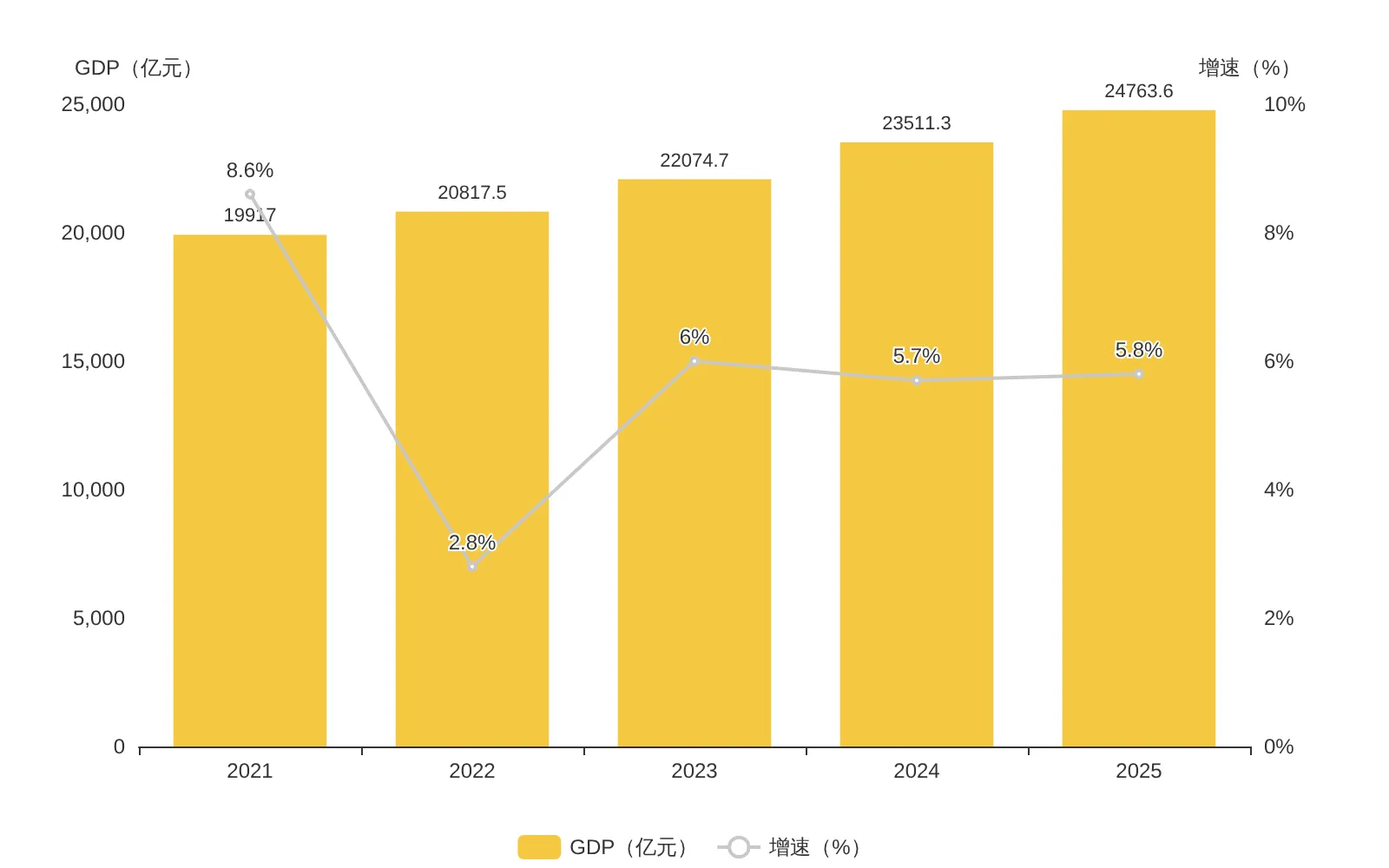
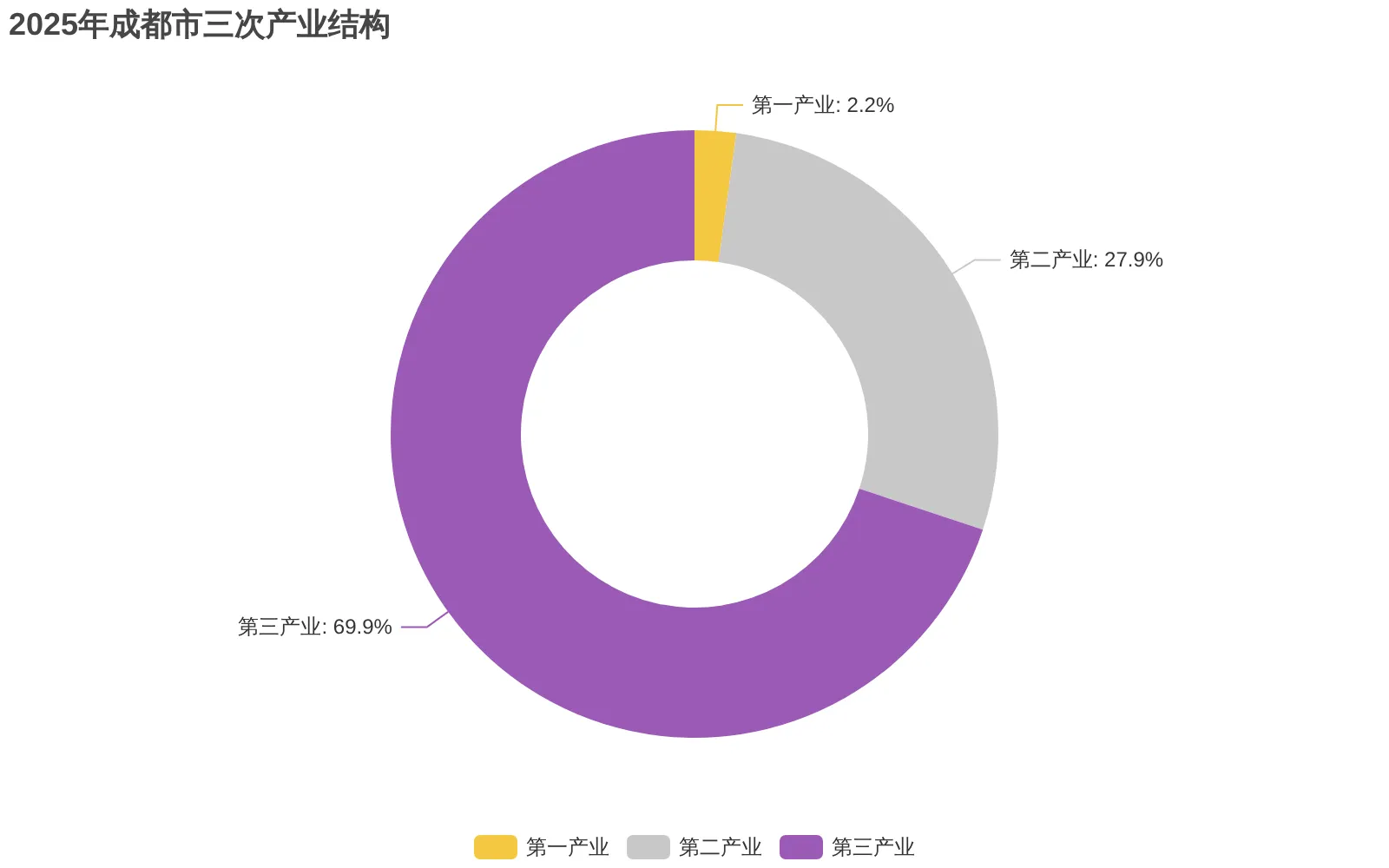
The same call also returned an urbanisation-rate trend and tertiary-sector value added with its growth rate. The charts are rendered from data, and that data comes back with them, so the numbers can be checked.
One chart in that set it declined to draw:
2024 年社会消费品零售总额存在 10327.1 亿元和 10835.3 亿元两种表述,无法确定应采用的统一口径。
Two different figures for 2024 retail sales were found — 1,032.71bn and 1,083.53bn yuan — with no way to establish which basis to use.
When sources disagree, it stops and says so rather than picking one and plotting it.
It gets used differently depending on the practice
Large design institutes
Feasibility work before a bid is where the hours go. With several projects running at once, the early-stage material tends to be rushed by whoever is free, and its quality depends on who that was. Hand over the repeatable looking-up and cross-checking; keep the people for the judgement calls.
Small and mid-size practices
There is nobody whose job is early-stage research, so the project architect does it. The point here is not speed — it is that one person can still produce material that holds up: clauses with a source, precedents with a provenance, figures with the arithmetic shown.
Schools of architecture
In studio and in research, what students lack is not ideas but a way to verify things: no route to the current version of a code, and precedents they can see rendered but not measured.